


It feels like now more than ever, humanity, especially the youth, have become exceptionally cruel.
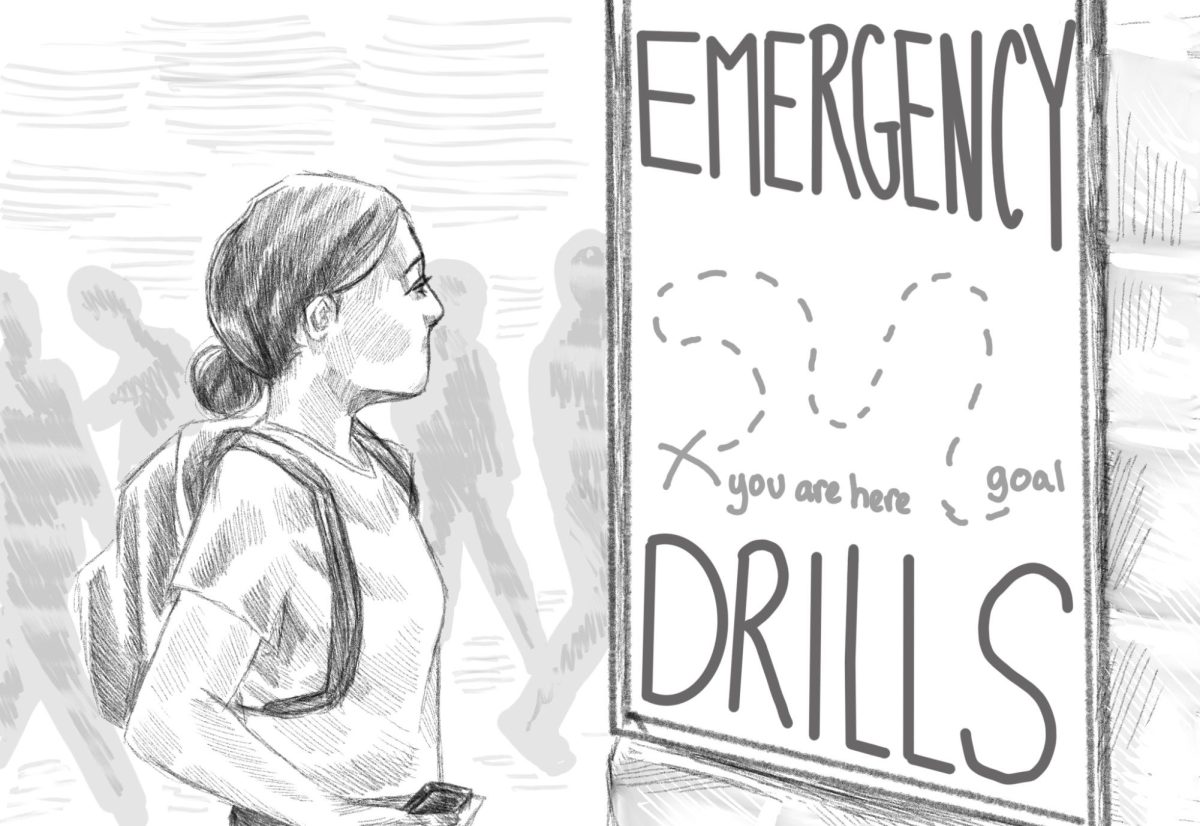
Nowadays the hallways of the schools are filled with headphone clad teens silently side eyeing each other as they try to get to their next class. Students remain in their own bubble while scrolling through their phones, unaware of their own reality.
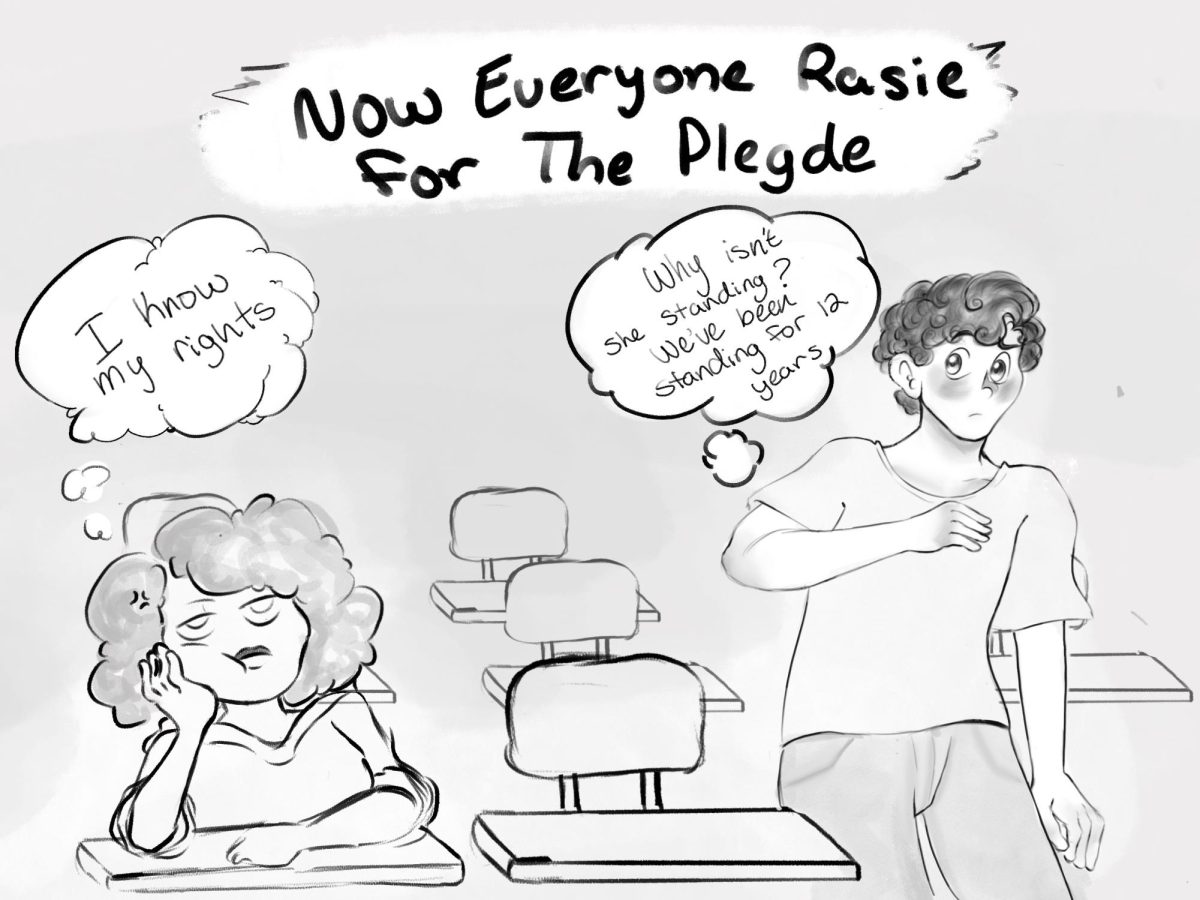
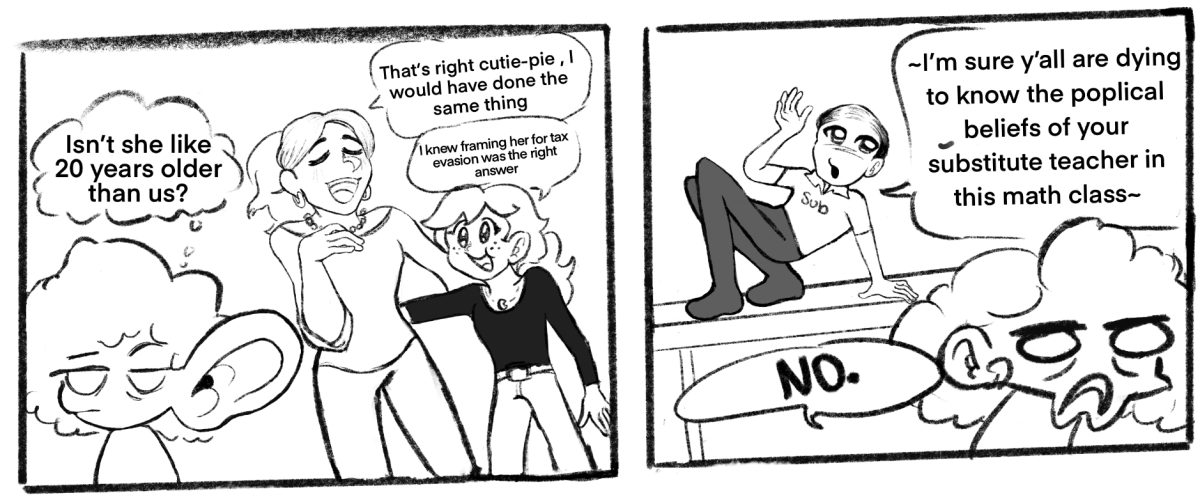
Teens are known to be quick to make judgements if they deem someone unacceptable by their social standards. There’s a lack of understanding between people, and the ability to sympathize with others or even attempt to is distinctively missing.
“…the most common apathy is boredom of two kinds: of Emptiness from having nothing to care about; and of Entrapment from having to do what one doesn’t care about,” says Psychology Today.
According to Merriam Webster Dictionary, empathy is described as the action of being understanding of and sympathetic to what others are going through.
An article from the SMU Journal, suggests that this sudden decrease in empathy reflects the society in which teens have grown up. There is an increased access to personal technology, like cell phones and personal computers, taking away the need to interact with people face to face. The need to practice basic social interaction allows for people to better read social skills and by having that face to face interaction, it creates a more human connection between people.
The same article also states that the constant informing of bad news has caused the youth of society to become desensitized. With the complex state of the world after COVID, it seems like the worlds become more violent and far more polarized. This complicated environment can cause people to see these things as normalized and therefore be less understanding with the struggles of others.
This lack of empathy is especially reflected in recent trends online. There’s a strange obsession with being “nonchalant” and as apathetic as possible. Mindsets like this continue to damage people’s understanding of sympathy and being there for each other as they exhibit a lack of concern for things that matter and make no effort towards the things they care about or are passionate towards.
Trill Magazine theorizes that by promoting self-expression, practicing social interaction, and acknowledging the things we care about, we can promote more empathetic environments and fight back against the apathy that surrounds our generation.
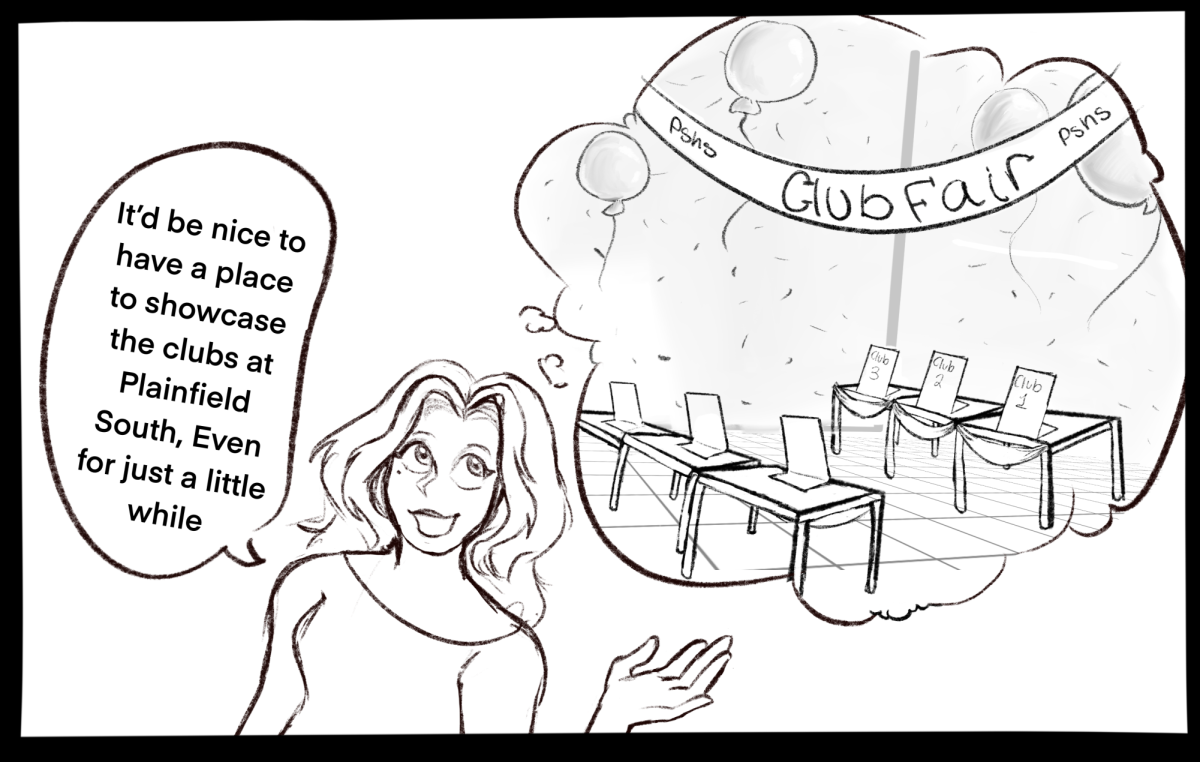
Counselor, Dan Shuman, suggests a variety of ways for students to show more empathy to others. Helping injured peers get to class, considering the perspectives of not only students but also staff members, and distancing themselves from their phones when talking to others are all possible ways to show more engagement and care in daily life.