


PAWS
When people start a new series, most may believe that no matter what happens between the beginning and the end, the protagonist will get a closed ending. In other words, that they’ll get an ending that leaves no questions as to how the character was left by the end of the story. But when that doesn’t happen, and the fate of the beloved protagonist is left up to fans’ interpretation, some may just say that the entire series was wasted.
According to “GoTeenWriters,” a site ran by authors Stephanie Morrill and Jill Williamson, a closed ending isn’t required to be happy, but it should close any plot holes the series creator left unanswered. One example of a closed ending would be “The Hunger Games” main trilogy.
Sure, there’s tragedy, but in the end, Katniss and Peeta have their happy ending, with the games put to an end. Is it a perfect ending? No, but the focus of the audience is the fate of the protagonist, not the side characters.
Open endings aren’t inherently evil. When executed right, they can be a great way to end a story that couldn’t have a perfectly closed ending. The possibilities of different interpretations could convince fans to go and re-consume the media to gain a fuller understanding of the story.
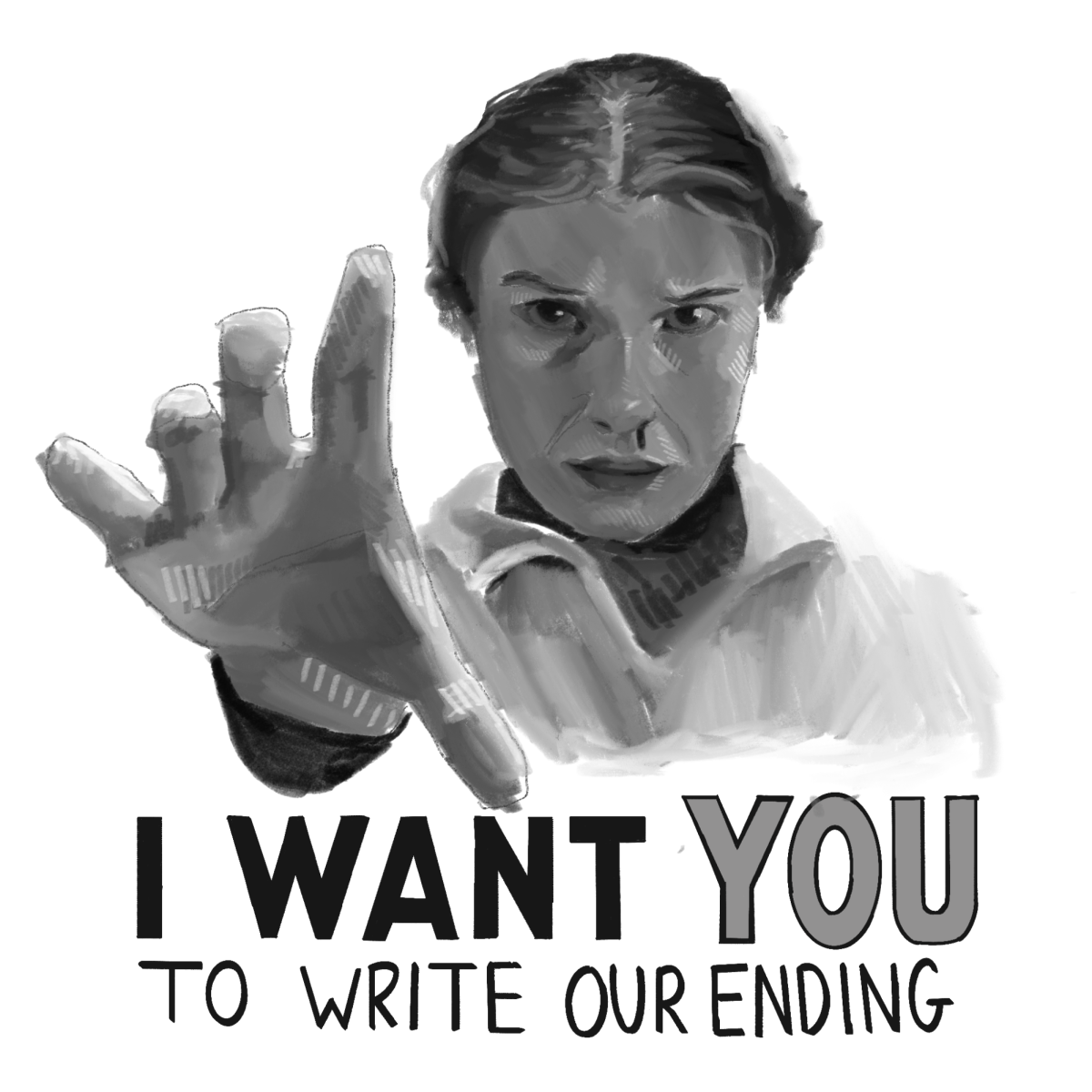
Most of the open endings that first come to mind are the ones done horribly wrong. The prime example of this is the “Stranger Things” finale. Spoiler: Most of the plot holes are left unanswered.
When an open ending isn’t done right, it can appear to fans as the creator attempting to please everyone by appealing to no one and everyone. Open endings also often leave fans feeling like they’ve wasted a portion of their lives consuming media whose ending threw away all it worked towards.
CLAWS
You can’t please everyone. This is a problem producers run into countless times, as you keep building steam towards the eventual ending of your series. How can you wrap it all up and still make your audience happy?
The answer is simple: you let them come up with it. While it may seem lazy or dissatisfactory to some, an open ending is a way for the audience to take important themes and complex characters from a story and develop them into inference skills and media literacy.
In cases like Suzanne Collins’ Ballad of Songbirds and Snakes, you are given a life or death situation and are armed with your knowledge of the characters and their motivations to help you interpret what happens after the final scene.
This is a fantastic way of showing how little you can trust your protagonist and leaving your readers with an unsettling feeling that affects the audience even after they turn the last page.
In fact, some of the most highly recognized films have an open-ended nature. Fight Club and Se7en leave audiences without a clear or comforting resolution to the events of the film, with characters making complex high stakes decisions and the films ending before we’re truly given closure. The Shawshank Redemption can even be up for interpretation about whether the ending is a hopeful dream or a true reality.
Whether or not you like the open ending format, it gives audiences the creative freedom to decide for themselves what happens after the credits roll. By leaving things up to interpretation, that makes all interpretations valid and doesn’t enforce a strict level of canon onto the work.


